History
Kursk 1943: the tanks of the biggest armoured clash
In July 1943 Germany launched its last major offensive on the Eastern Front, against a huge bulge in the Soviet line around the city of Kursk. The fighting brought together more tanks than almost any other battle in history and marked the debut of the Panther. Several TK Two sets are directly linked to it.
Updated November 18, 2026 · 3 min read
Why Kursk?
After the winter battles of early 1943, the front line around Kursk bulged deep into German-held territory. The German plan, Operation Citadel, was to cut the bulge off with two attacks from the north and the south, trapping the Soviet armies inside. The offensive was postponed several times while new tanks, including the Panther, were brought to the front.
Those delays gave the Soviet command time to prepare. Warned about the attack, they turned the salient into one of the most heavily fortified areas of the war: several defensive belts of trenches, minefields, anti-tank guns and dug-in tanks, with strong reserves held back behind them.
The battle in brief
- 5 July 1943: the offensive begins. In the north the German 9th Army makes slow progress against deep defences.
- Southern sector: German panzer forces push further, grinding through the defensive belts with heavy losses on both sides.
- 12 July: around the village of Prokhorovka, Soviet tank reserves counter-attack the advancing German armoured corps in one of the best-known tank battles of the war. Soviet losses are very high, but the German advance is stopped.
- Mid-July: with the offensive stalled, the Allies landing in Sicily and Soviet counter-offensives starting further north, Germany calls off Citadel.
- August 1943: Soviet offensives retake Orel, Belgorod and Kharkov. From now on the strategic initiative in the east belongs to the Soviet Union.
The German tanks
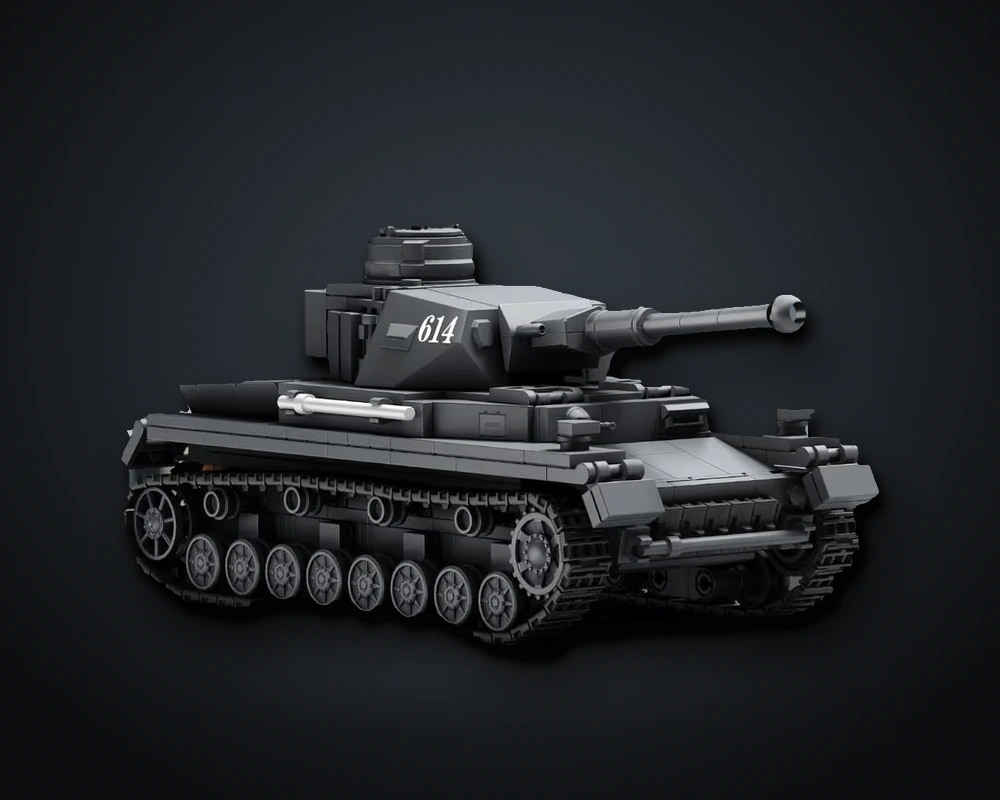
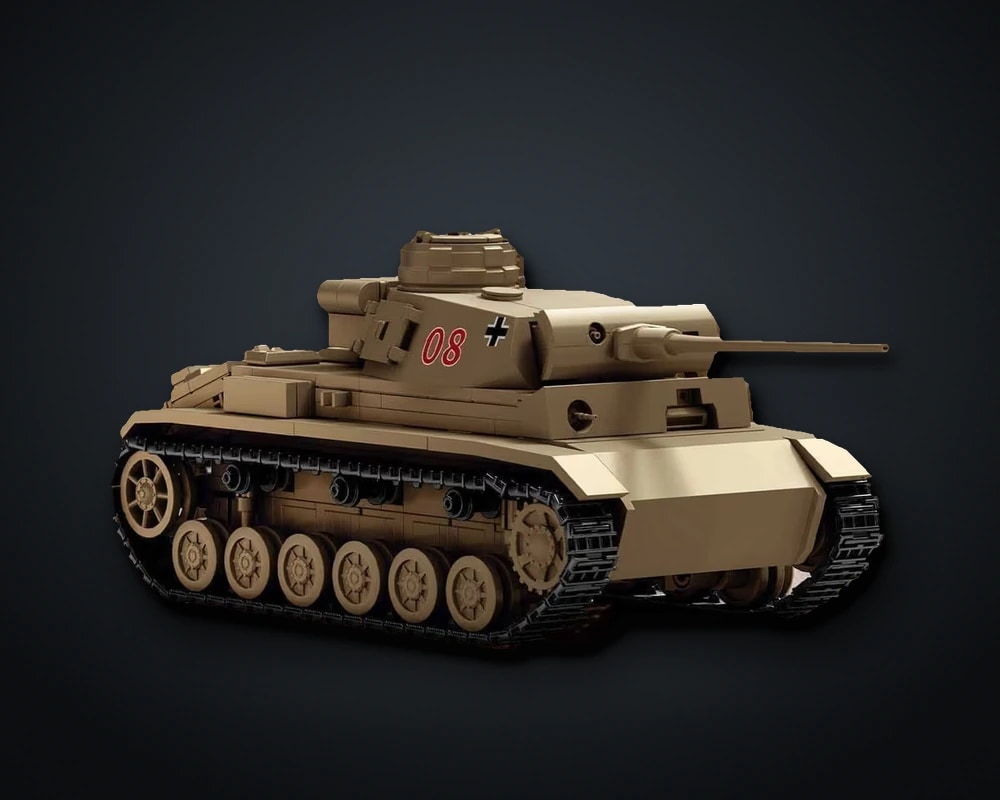
It is easy to imagine Kursk as a battle of Tigers and Panthers, but most German tanks there were still the older medium types. The Panzer IV, now with a long 75 mm gun and side armour plates, was the backbone of the panzer divisions, and many Panzer III tanks were still in service.
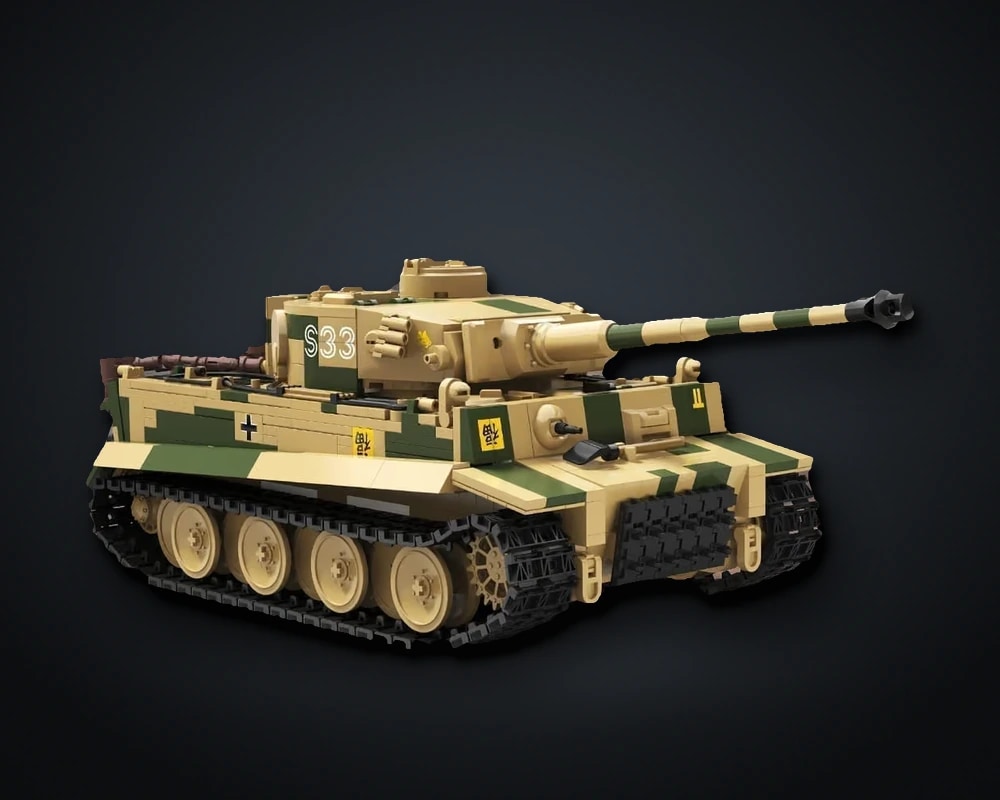
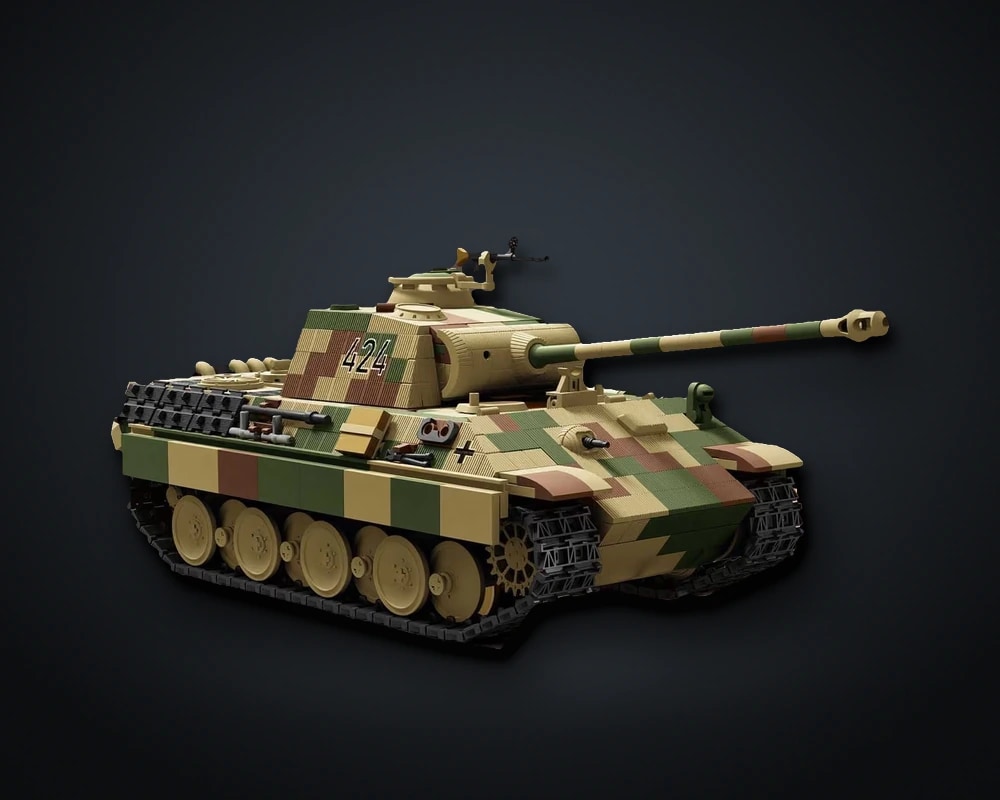
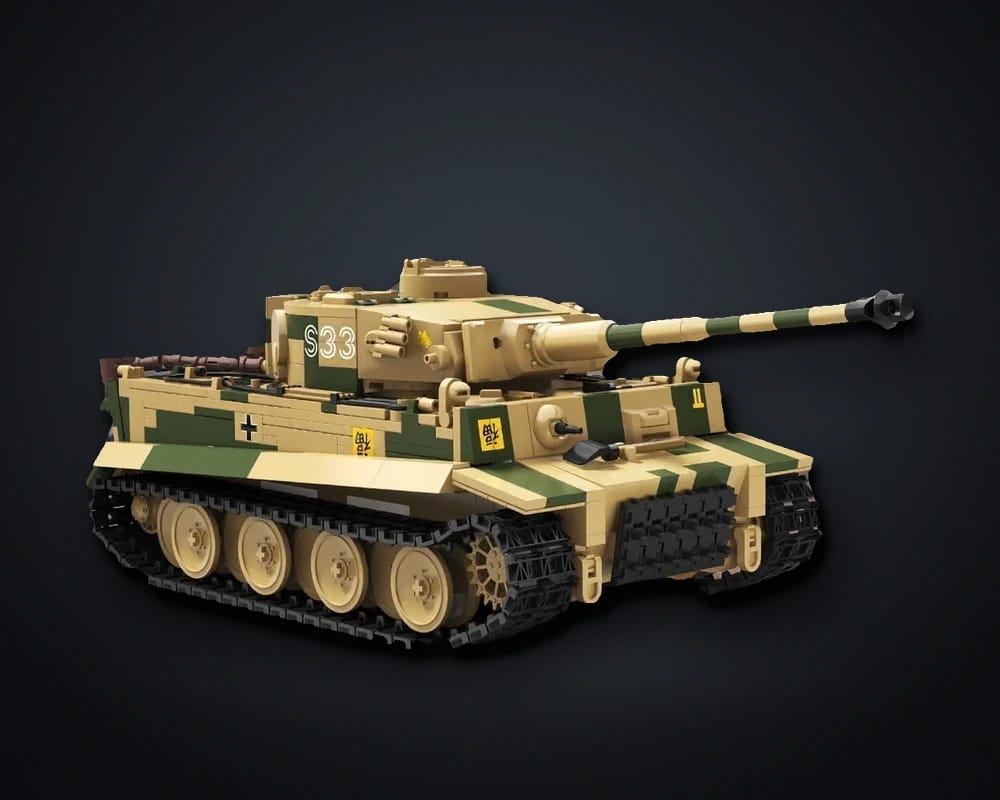
The Tiger I fought in the heavy tank battalions and with several elite divisions. Its thick armour and 88 mm gun made it very hard to stop, and it inflicted heavy losses. The Panther made its combat debut at Kursk — and the debut was troubled. The tanks had been rushed to the front; many broke down with engine fires and transmission failures before reaching battle, and others were lost in minefields. The lessons learned led to the improved versions that followed.
The Soviet tanks
On the Soviet side, the T-34 with its 76 mm gun made up the majority of tank forces, supported by light T-70 tanks, KV heavy tanks and the first SU-152 heavy self-propelled guns. The T-34 was reliable and available in large numbers, but at Kursk its gun struggled against the frontal armour of the Tiger and Panther at anything but short range. Soviet crews often had to close the distance quickly to fight effectively.
How Kursk shaped the next tanks
The battle sped up developments on both sides, and several TK Two sets are a direct result:
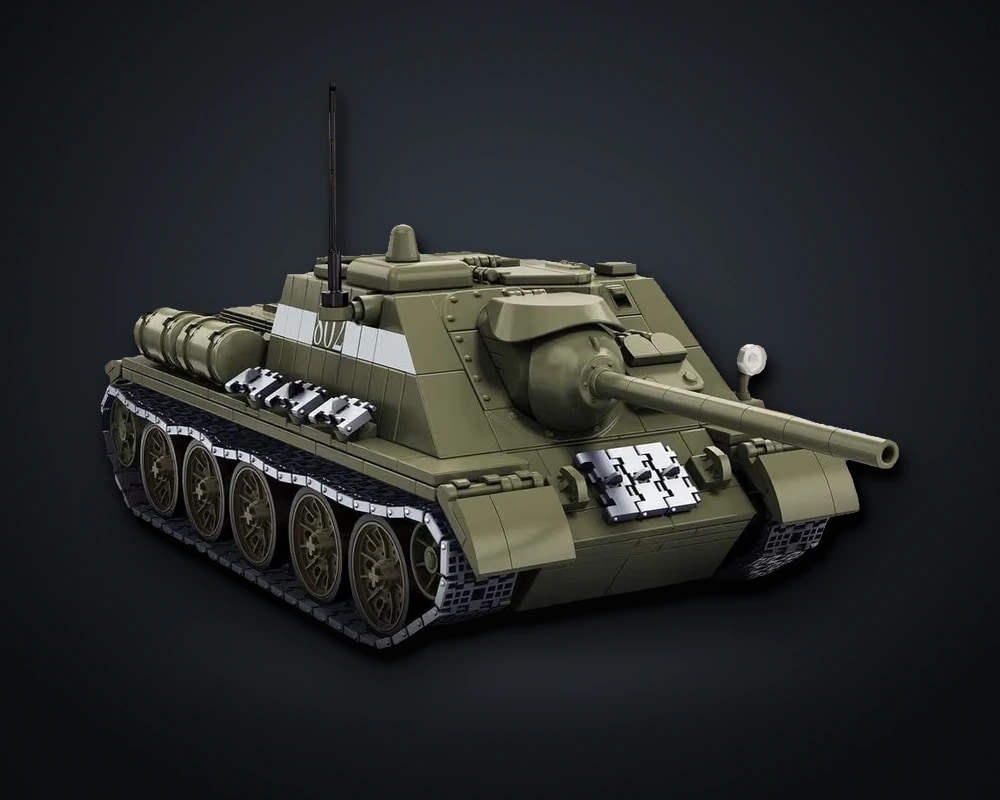
- [SU-85](set:tk-8010) — entered service in August 1943 to give Soviet units a more powerful anti-tank gun on the T-34 chassis.
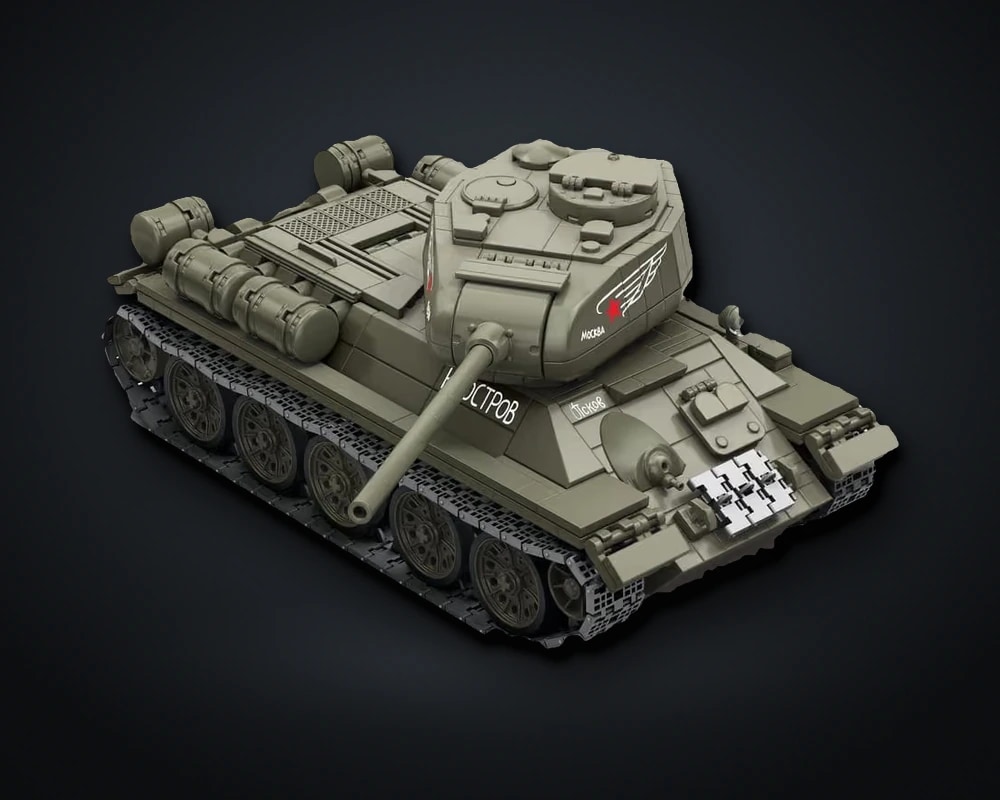
- [T-34/85](set:tk-8011) — from early 1944 the T-34 itself received an 85 mm gun in a new three-man turret.
- [IS-2](set:tk-8007) — a new heavy tank with a 122 mm gun, designed to defeat the German heavy tanks.
- [ISU-152](set:tk-8009) — the successor to the SU-152, built on the IS chassis.
- [Panther](set:tk-8002) Ausf. A and G — later versions that fixed many of the problems exposed at Kursk.
Building a Kursk display
A small Kursk display could combine a Tiger I, a Panther and a Panzer IV on the German side. Because the 76 mm T-34 is not in the range, the SU-85 and T-34/85 make a good Soviet counterpart representing the answer to the battle's lessons. Our article on Panther vs T-34/85 explains that rivalry in more detail.