How-to
How to build a large brick set without the frustration
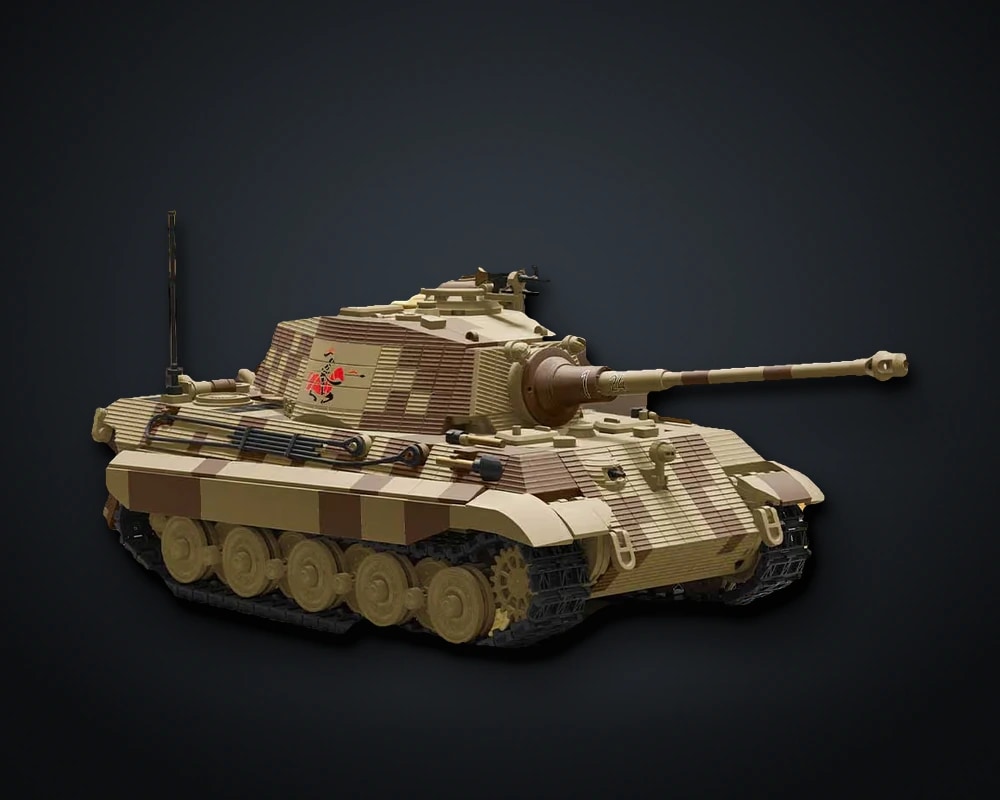
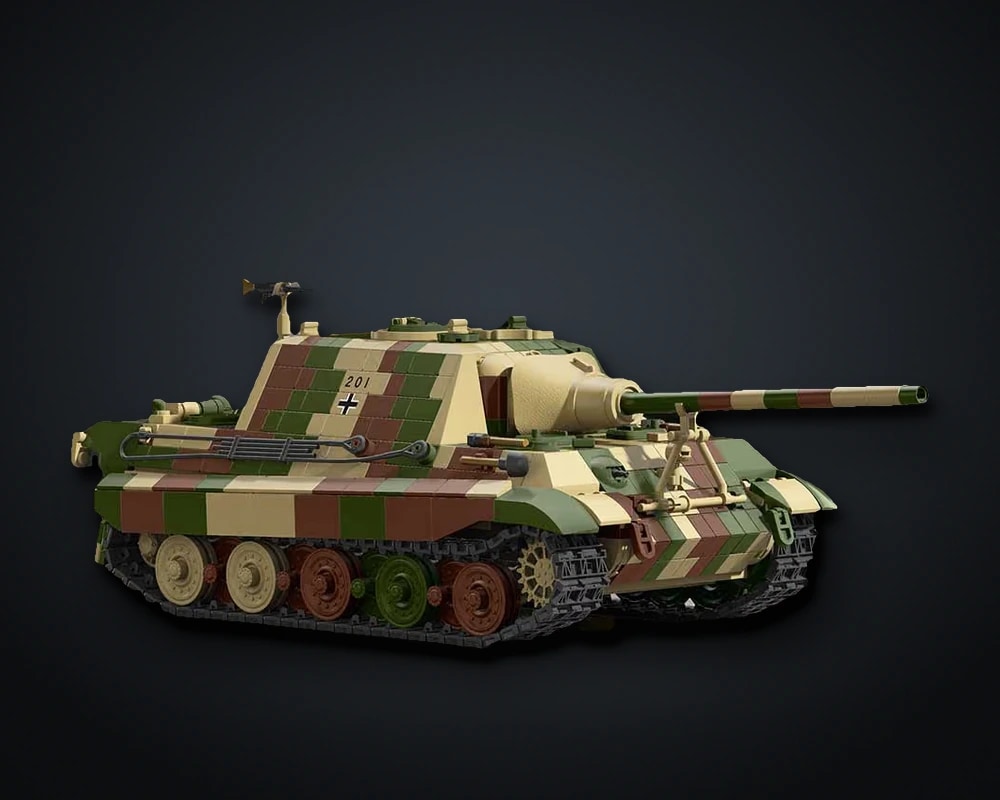
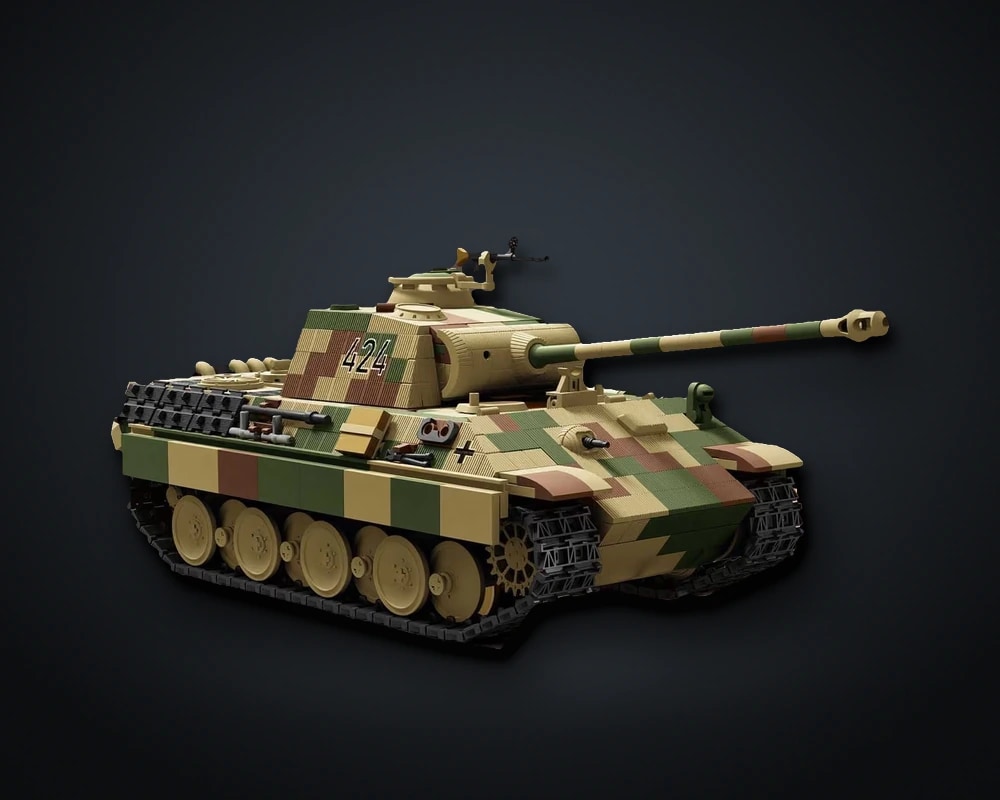
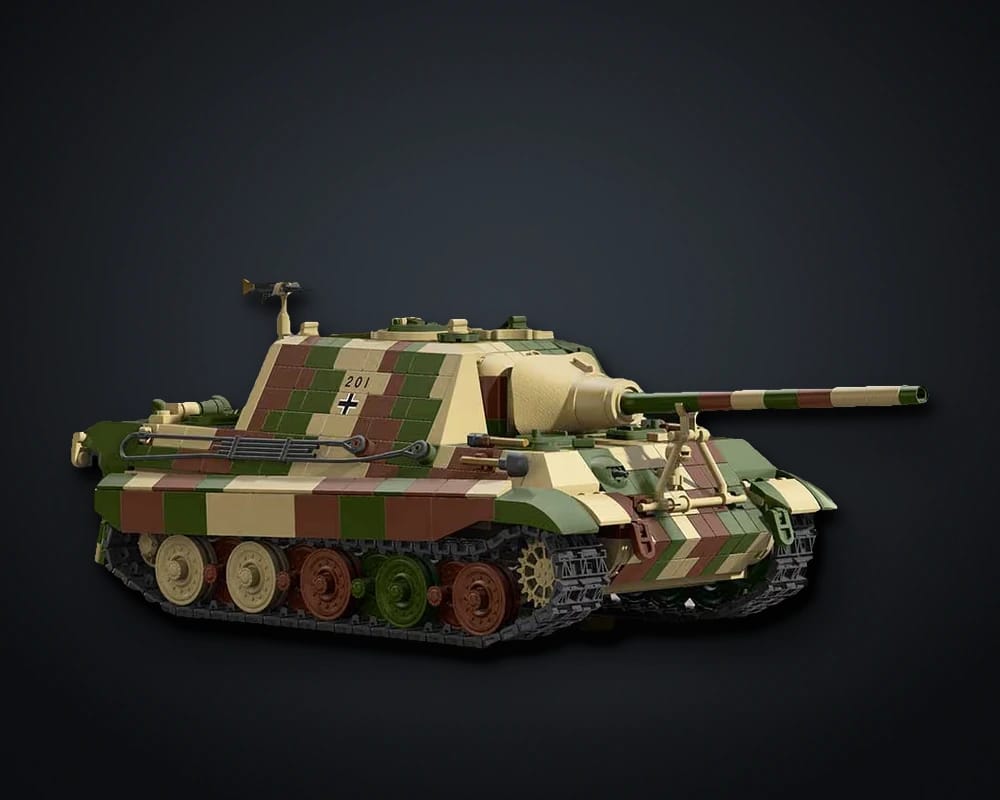
A 2,000-piece tank is a wonderful project, but it can also become a pile of loose parts and a lost afternoon spent looking for one small piece. A few simple habits make large sets like the Tiger II or Jagdtiger far more relaxing to build.
Updated November 19, 2026 · 3 min read
1. Set up a proper workspace
- Good light matters most. Several TK Two sets combine similar shades — sand and dark tan, dark grey and black, two greens in camouflage. Daylight or a neutral white lamp makes them much easier to tell apart than warm evening light.
- Use a surface with an edge. A large tray, a baking sheet or a mat with a raised rim stops small parts from rolling off the table.
- Keep a clear area for sub-assemblies. Big models are built in sections, and you need somewhere to put a finished section where it will not be knocked.
2. Sort smart, not everything at once
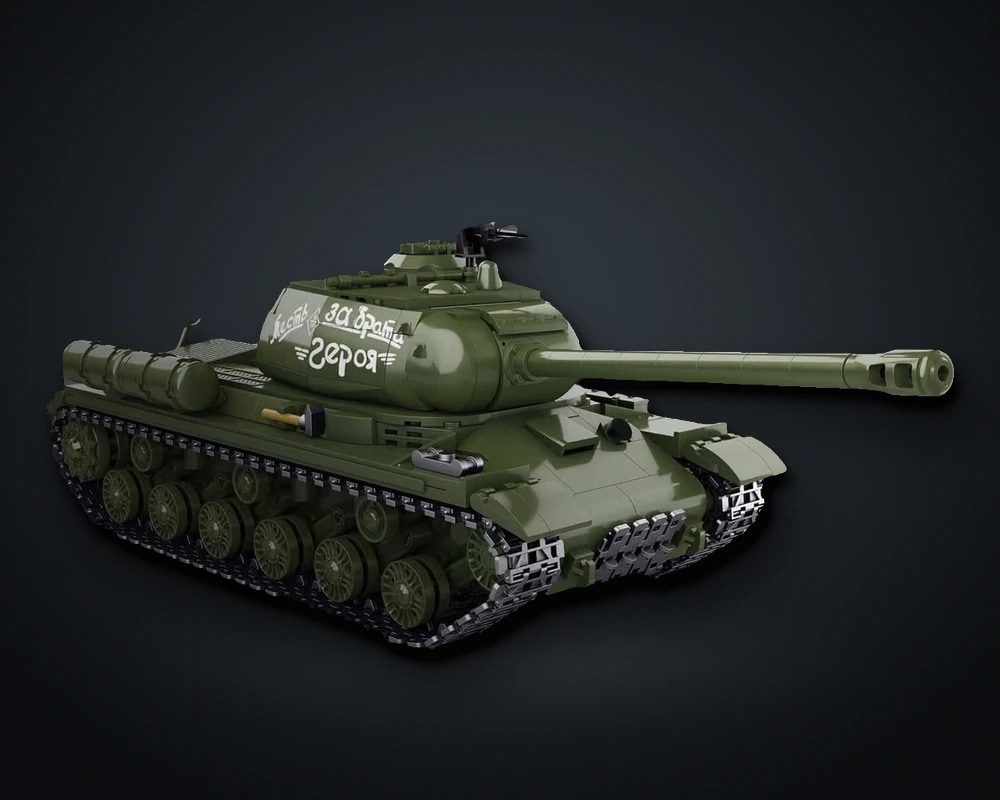
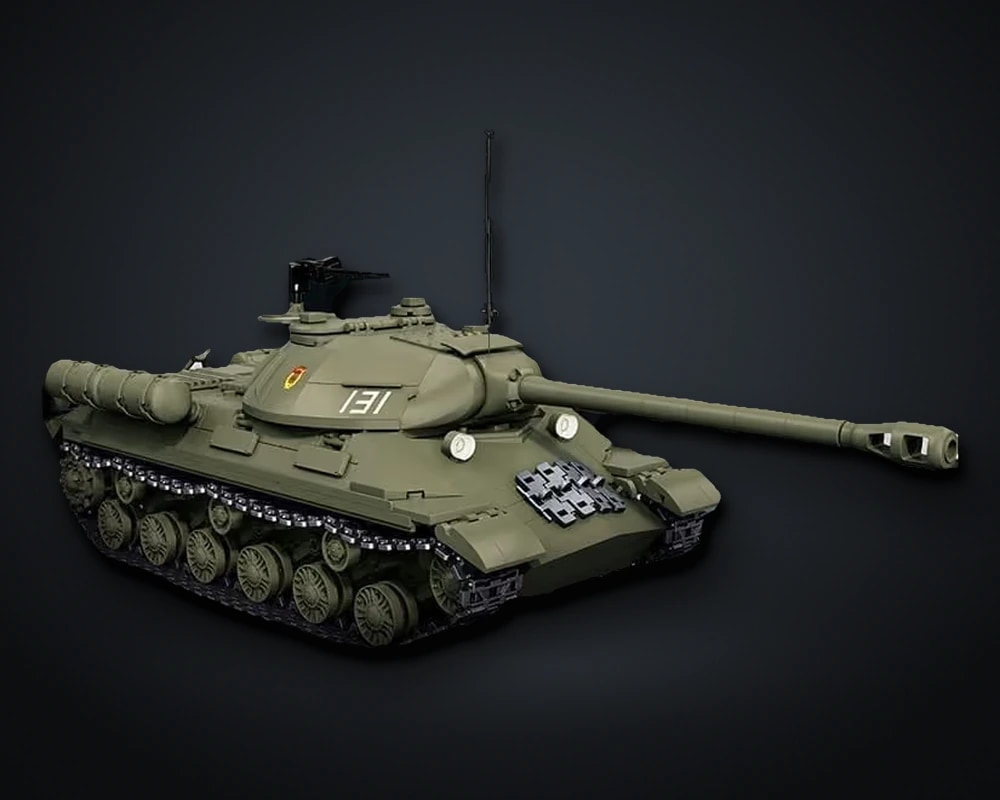
Tipping 2,000 pieces onto a table and sorting them all by colour sounds efficient, but it usually takes longer than it saves. A better approach is to open only the bags you need for the current stage and sort those into a few small containers: one for tiny parts, one or two for common plates, and one for anything special to that stage. Sets such as the Tiger II, Jagdtiger, IS-2 and IS-3 include a branded storage tray with small boxes that works well for this.
3. Read each step twice
Most mistakes in large builds come from a part placed one stud off or facing the wrong way. Before pressing parts together, compare the step with the previous one and look for what has changed. Count studs on long plates and check the orientation of sloped and curved pieces. It takes a few seconds and saves dismantling half a hull later.
4. Test the moving parts as you go
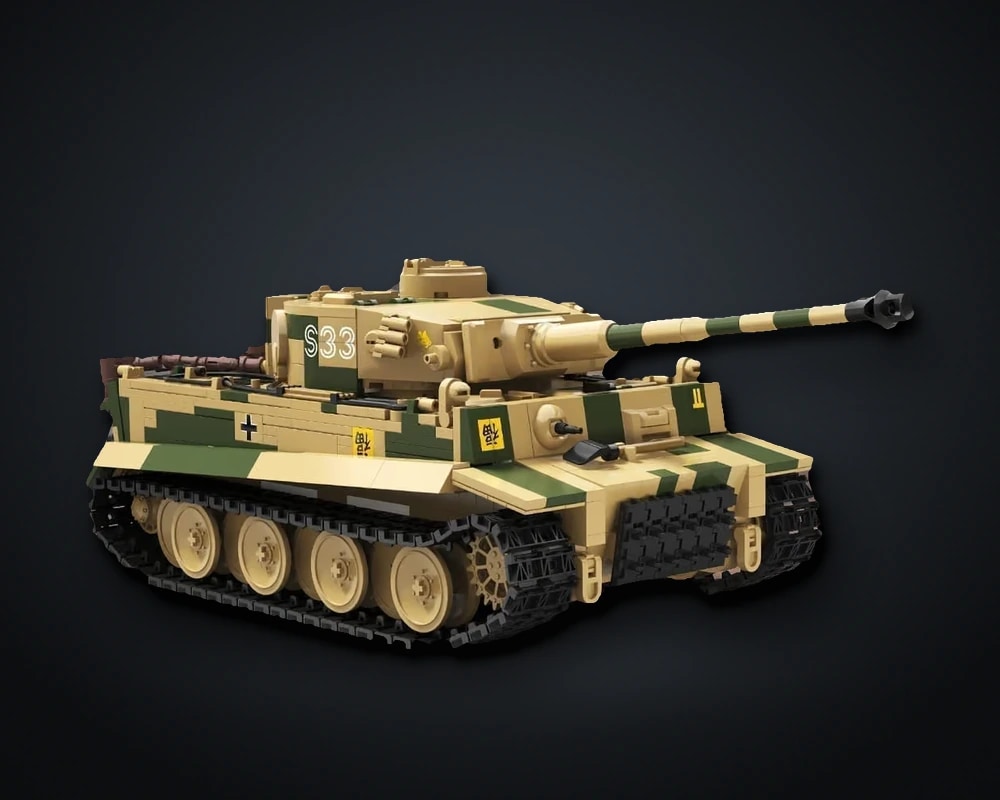
Working suspension, a gun breech linked to the barrel, rotating turrets and opening hatches all depend on parts being seated exactly right. Test each function as soon as the instructions finish it, while the mechanism is still visible. On sets with suspension, such as the Tiger I S33 or Jagdpanther, press each road wheel and make sure it moves freely before adding the tracks. On sets with a breech linkage, raise and lower the barrel a few times before the casemate or turret is closed.
5. Treat the tracks as their own job
Track links are often the most repetitive part of a tank build. Many builders prefer to assemble them in batches — for example, a few links at the start of each session — rather than leaving all of them for the end. Count the links carefully: a track that is one or two links too long will sag, and one that is too short will strain the wheels. Fit the tracks gently and check that the drive sprockets and idlers turn smoothly afterwards.
6. Pace yourself
- Stop at the end of a stage, not in the middle. Instructions are usually divided into numbered bags or sections; finishing one before a break makes it much easier to pick up again.
- Cover the build between sessions. A cloth or an upturned box keeps dust, pets and curious hands away.
- Take progress photos. They are nice to look back on, and they help if you need to compare something later.
7. If a part seems to be missing
- Check the floor, the edges of your tray and inside already-built sections — this is where most "missing" parts turn up.
- Look ahead in the instructions: the part may belong to a later bag.
- Check whether a similar part in a slightly different colour has been used by mistake in an earlier step.
- If it is genuinely missing, contact the retailer you bought from. Note the set number (for example TK8004) and the step number before you get in touch.
8. Enjoy the finished model
Most TK Two 8000-series sets are designed to come apart into sections for display. Once the model is finished, try lifting off the turret, roof or engine deck to show the interior you built — it is the part most visitors never expect. For ideas on where and how to show it off, read our guide to displaying and storing models. If you have not chosen a set yet, start with which TK Two set to choose.