History
Tank markings and camouflage explained
Every TK Two set carries markings: a three-digit number on the turret, a cross on the hull, a stripe or a camouflage pattern. These were not decoration. They told crews and commanders who a vehicle belonged to and helped it survive. Here is how to read them.
Updated November 20, 2026 · 3 min read
National insignia
German armoured vehicles carried the Balkenkreuz, a straight-armed cross in black and white, on the hull sides and often the rear. Its purpose was simple: to stop friendly troops and aircraft from firing on their own vehicles. Over the war the cross was often reduced to a white outline or made smaller to be less conspicuous. You can see it on almost every German set in the range, for example the Panzer IV and Jagdpanther.
Soviet tanks used national markings much less consistently. A red star appeared on some vehicles, but many carried no national insignia at all and were identified by numbers, slogans or unit symbols. Late in the war, Soviet tanks often had white stripes painted on the turret and a white cross or band on the turret roof so that Allied aircraft could recognise them from above.
Turret numbers: who is who in a unit
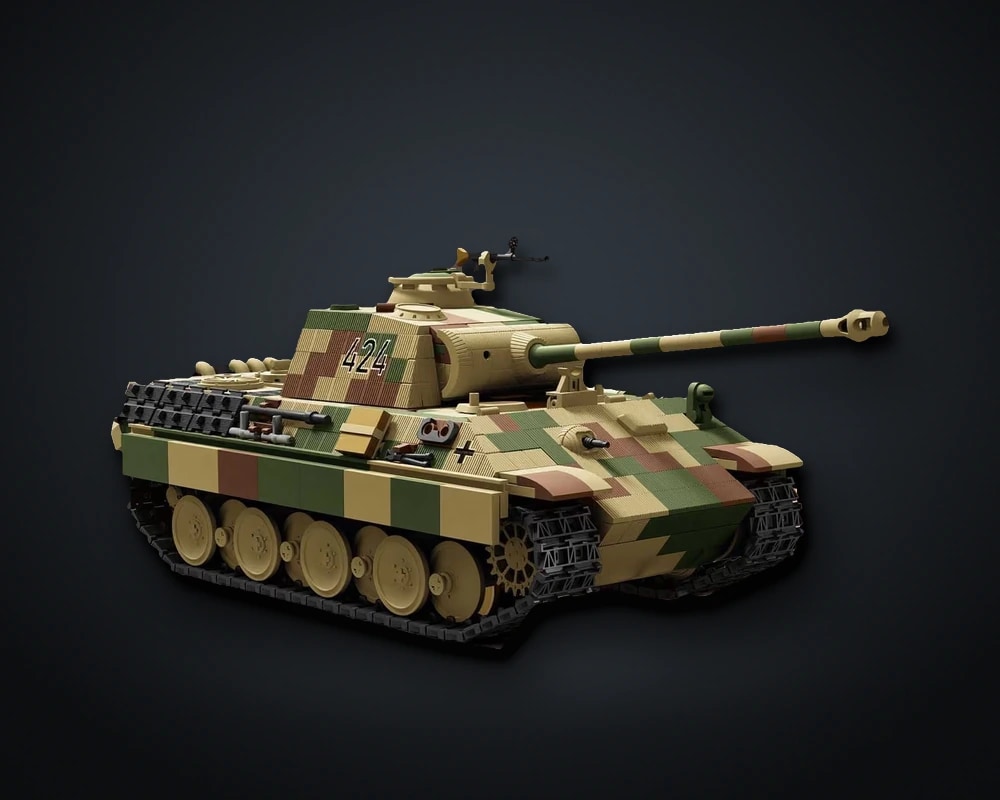
The large numbers on German turrets were tactical numbers. The most common system used three digits: the first for the company, the second for the platoon and the third for the vehicle within the platoon. Read that way, a tank numbered 424 — like the TK Two Panther — would be the fourth vehicle of the second platoon of the fourth company. Company and platoon commanders often had special numbers, and the system varied between units, so not every number follows the rule.
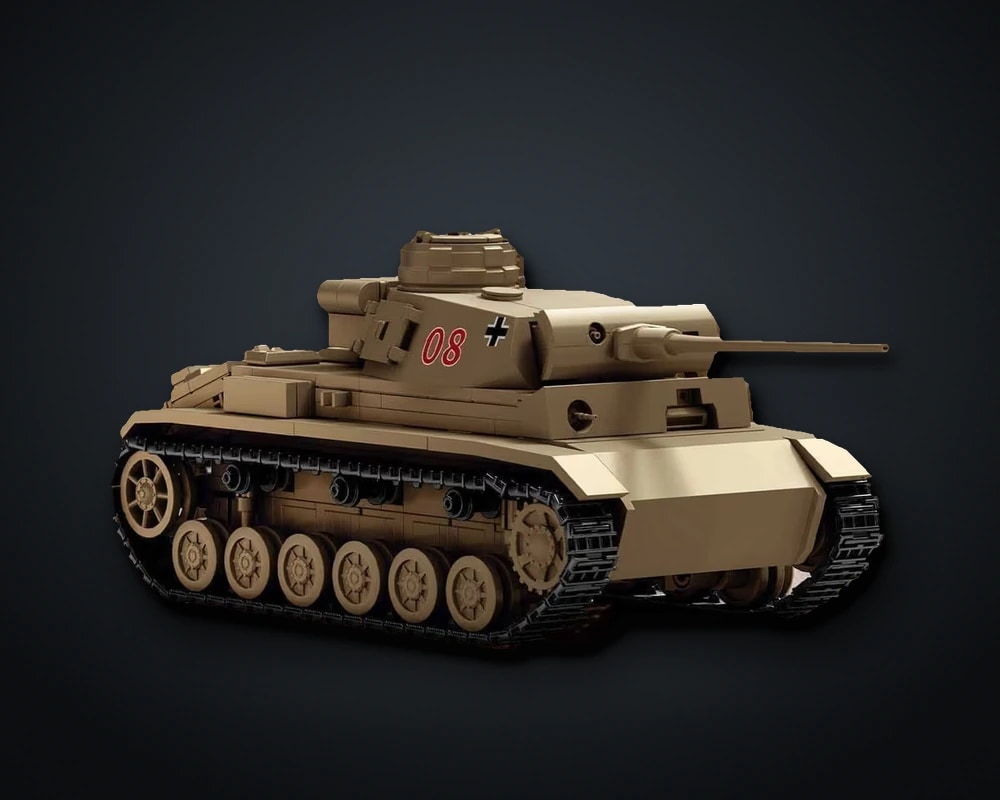
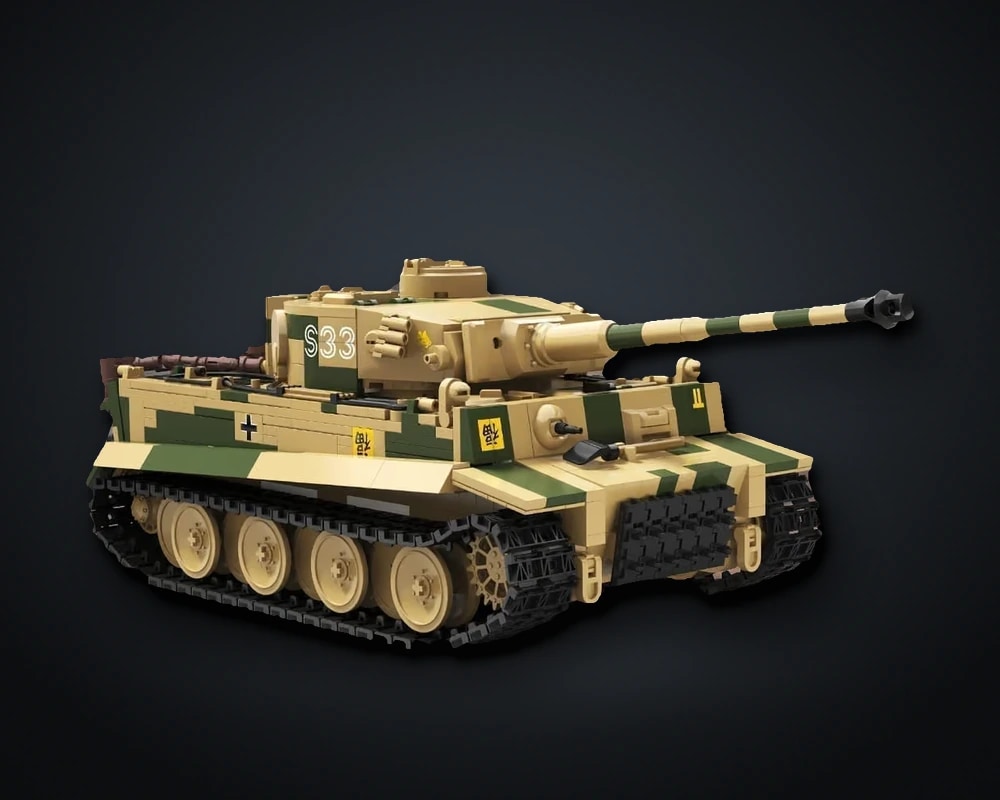
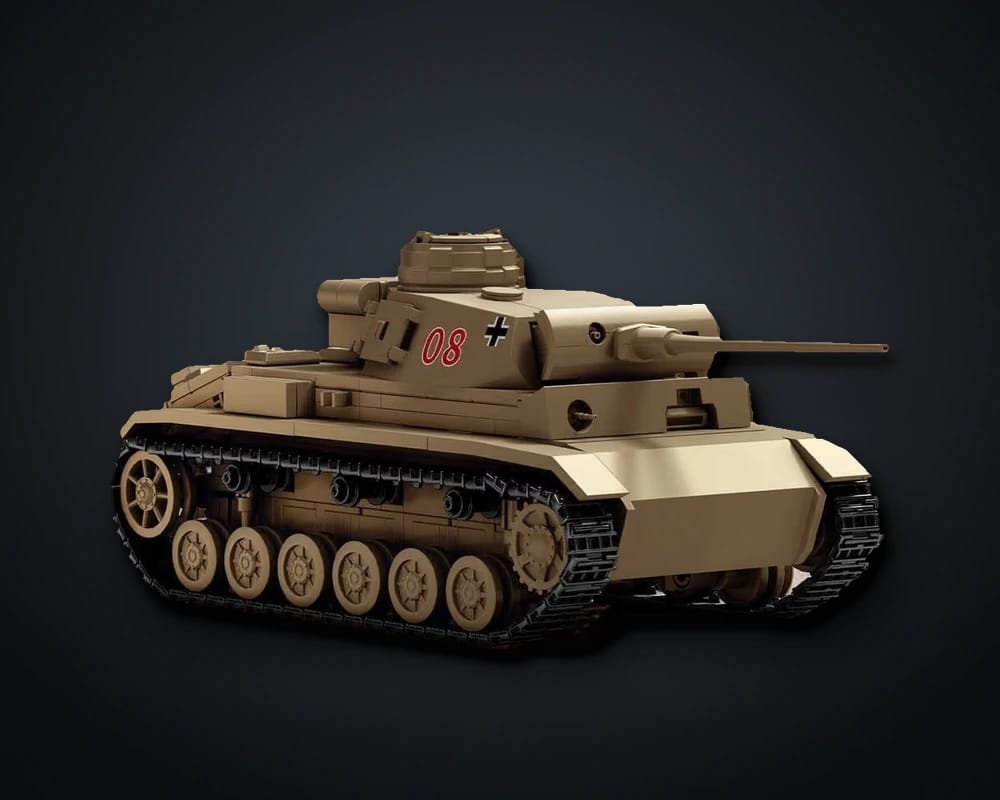
Some units used letters or prefixes. The Tiger I sets S04 and S33 carry numbers in the style of the letter-prefixed markings used by some Tiger companies in 1943. Shorter numbers, like the red 08 on the Panzer III, were also common, particularly earlier in the war and in smaller formations.
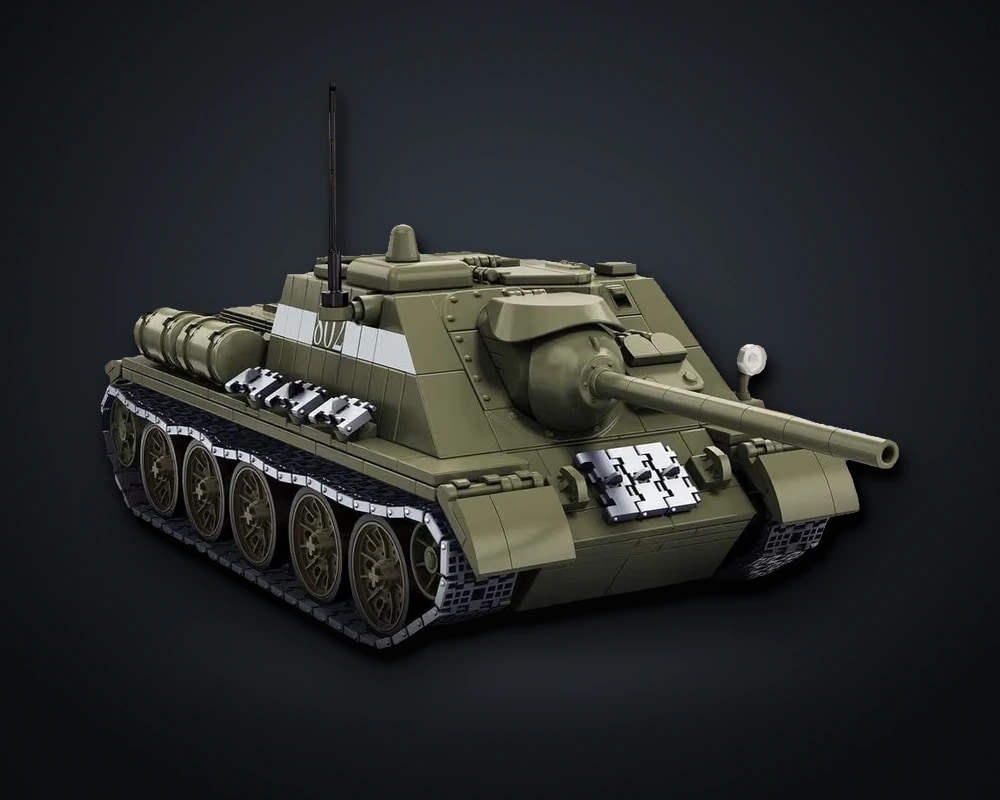
Soviet tactical numbers were less standardised. Units used three- or four-digit numbers, sometimes with a geometric symbol for the brigade or regiment. The SU-85 set carries the number 802 together with a white stripe along the hull.
German camouflage: from grey to dark yellow
| Period | Typical scheme | TK Two examples |
|---|---|---|
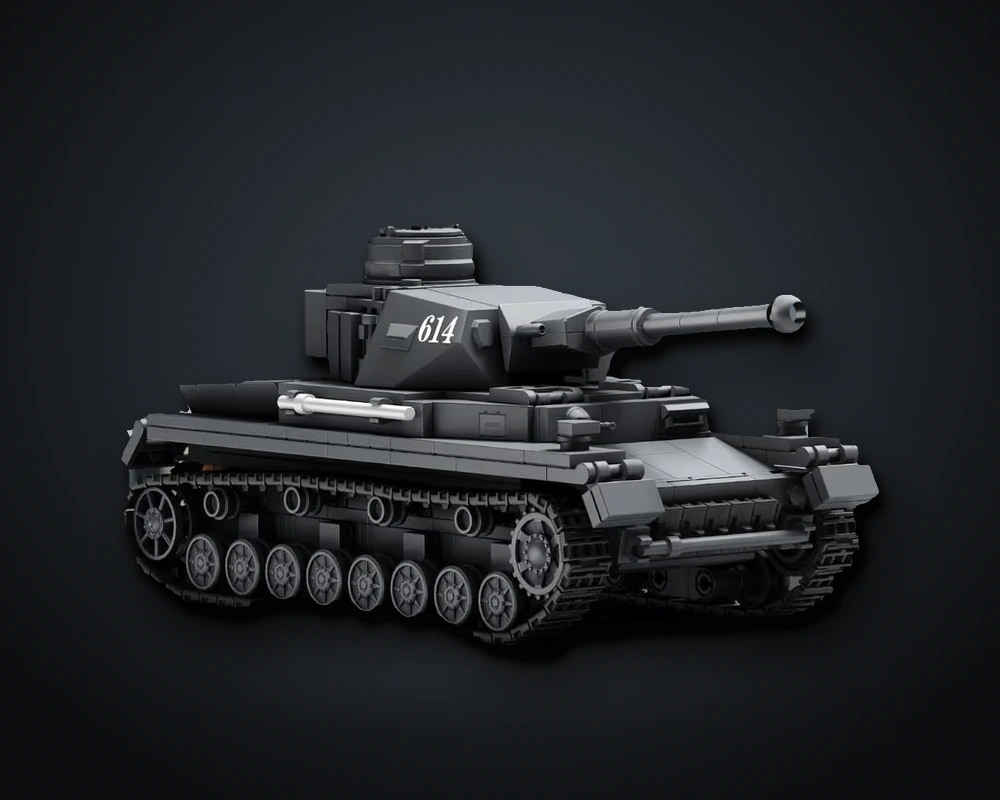
| 1939 – early 1943 | Overall dark grey | Panzer IV (turret number 614) |
| North Africa, 1941–1943 | Tan and sand colours suited to the desert | Panzer III (sand with red 08) |
| From 1943 | Dark yellow base with green and red-brown camouflage applied by crews | Tiger I S33, Jagdpanther |
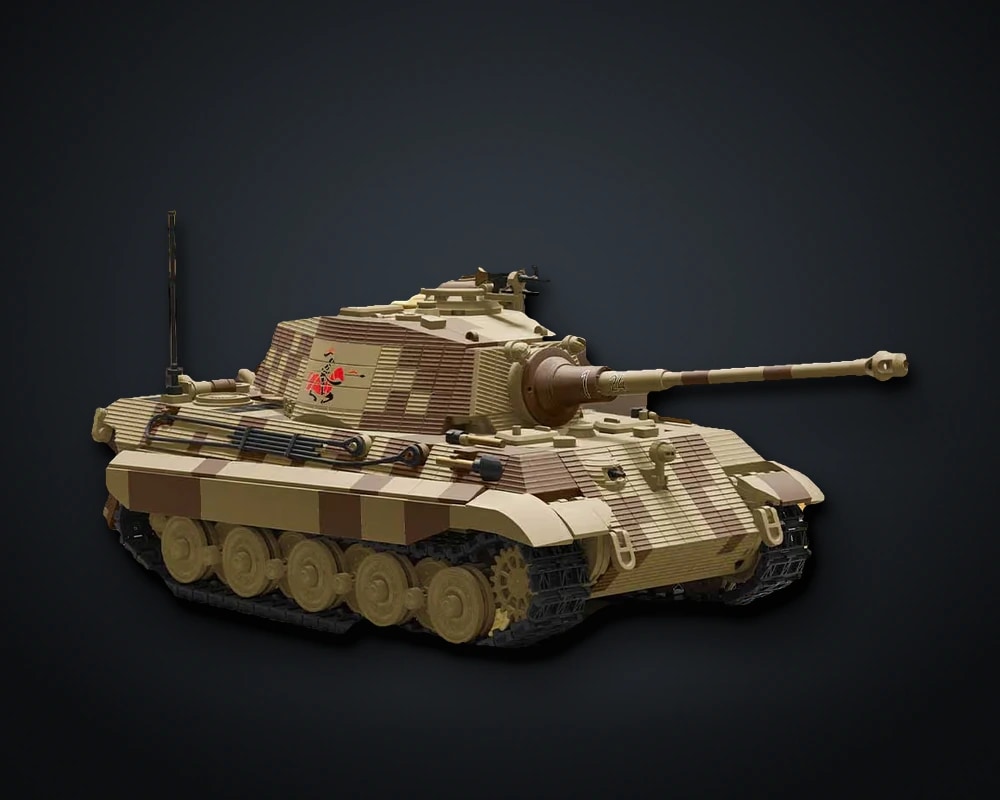
| 1944–1945 | Bolder multi-tone patterns, often applied at the factory | Panther, Tiger II, Jagdtiger |
Until early 1943, German tanks left the factory in dark grey. That colour suited the forests and towns of Central Europe but stood out badly on the summer steppe. From February 1943 a dark yellow base became standard, and units were supplied with green and red-brown paint so crews could add camouflage to suit the terrain. That is why mid-war German vehicles show such a variety of patterns: stripes, blotches and fine mottling were all applied by hand. Later in the war, more camouflage was applied at the factory, and patterns became bolder.
Soviet camouflage: practical green
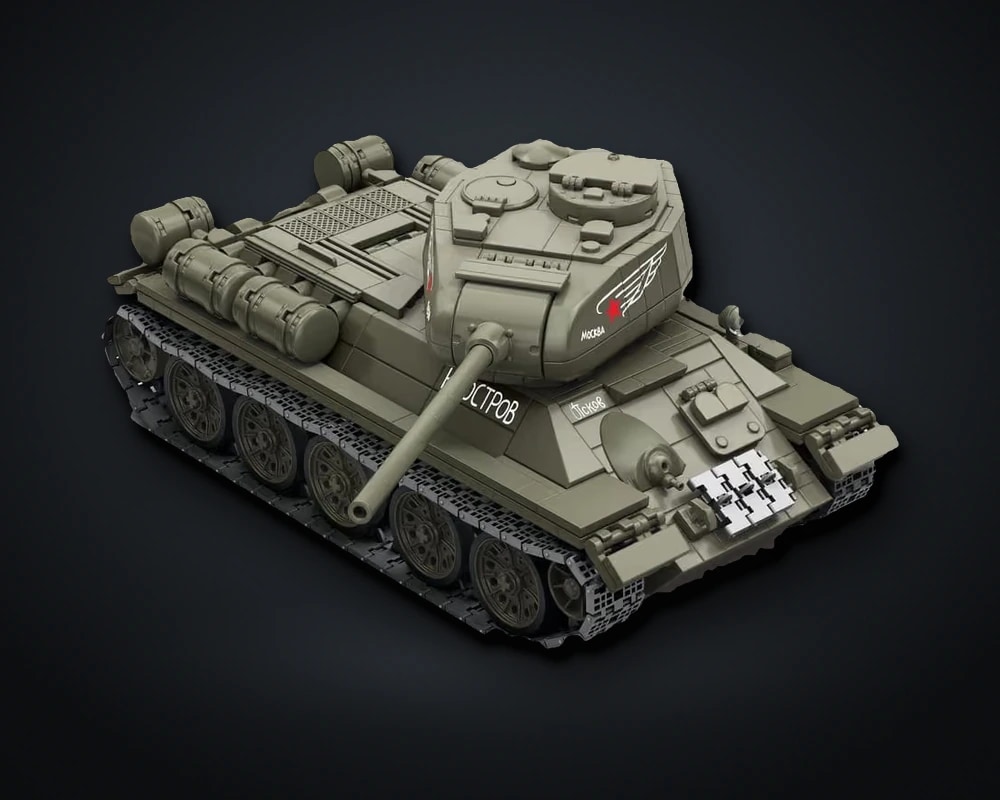
Most Soviet tanks were painted overall in a protective green and left that way. Patterns were rarely applied in the field, though tanks were whitewashed for winter. The plain green of the T-34/85, IS-2 and IS-3 sets reflects this simple, production-friendly approach.
Unit emblems and personal touches
Besides numbers and crosses, many vehicles carried small divisional or battalion emblems, often painted near the front or rear of the hull. Crews also added names, kill rings on gun barrels or slogans, particularly on Soviet tanks, where patriotic slogans on the turret were common. The Tiger II set, for example, includes a small emblem on the turret alongside its number 124.
Use markings to plan a display
Knowing what the markings meant can make a display more interesting. Group vehicles by period using their colour schemes, or put a grey early-war tank next to a camouflaged late-war one to show how quickly things changed. Our guide to planning a collection has more ideas.