Buying guide
How to plan a TK Two armour collection
One brick-built tank is a model. Three or four that belong together start to tell a story. If you are thinking beyond a single set, a little planning makes the collection look deliberate rather than random — and helps you decide which set to buy next.
Updated November 20, 2026 · 2 min read
Approach 1: chassis families
During the war, a successful tank chassis was often reused for a tank destroyer or assault gun. Pairing the two shows how designers adapted the same running gear to a different job — and the similarities in the hull and wheels are very visible on a shelf.
| Family | Tank | Derived vehicle | What the pair shows |
|---|---|---|---|
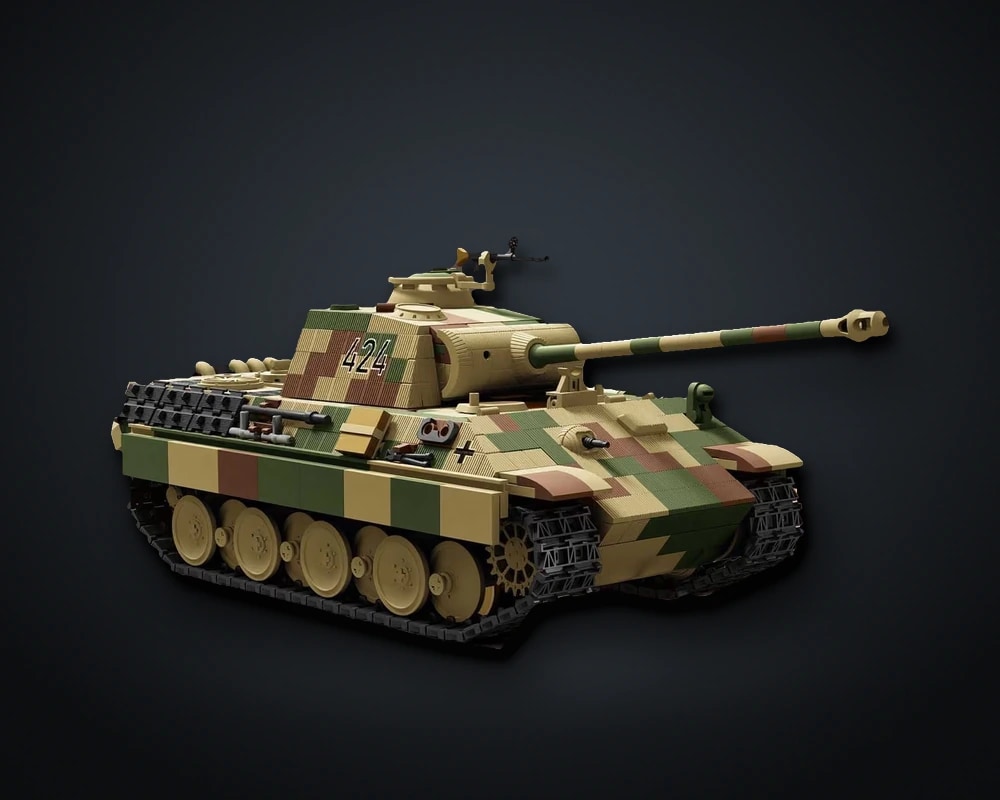
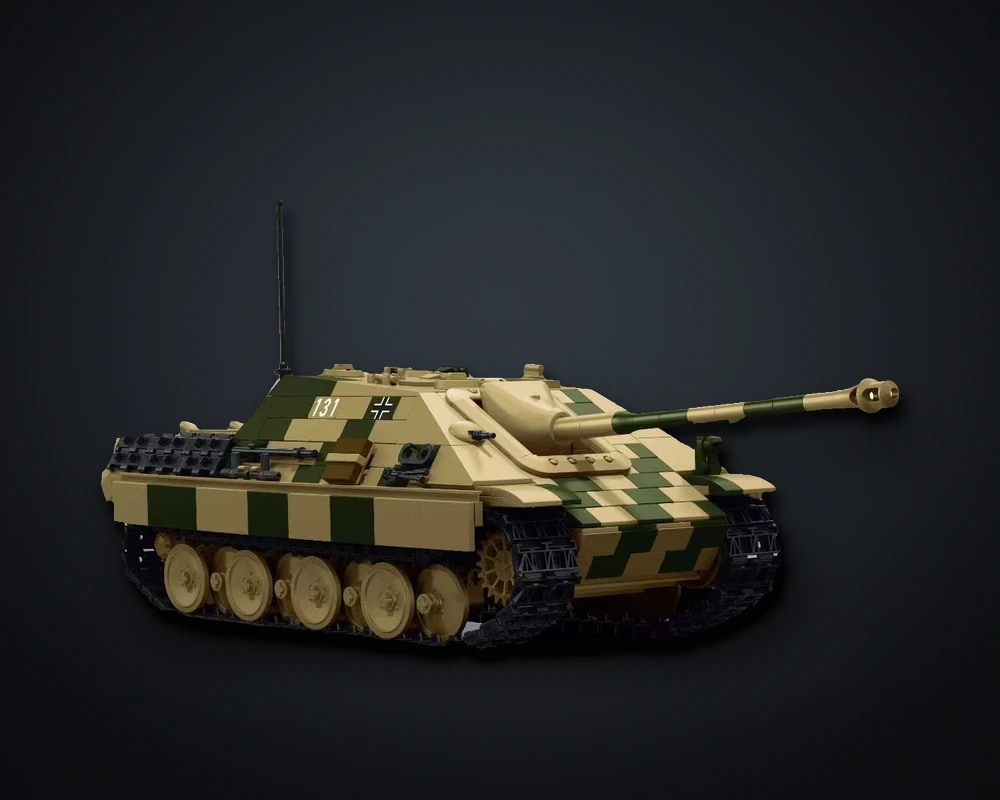
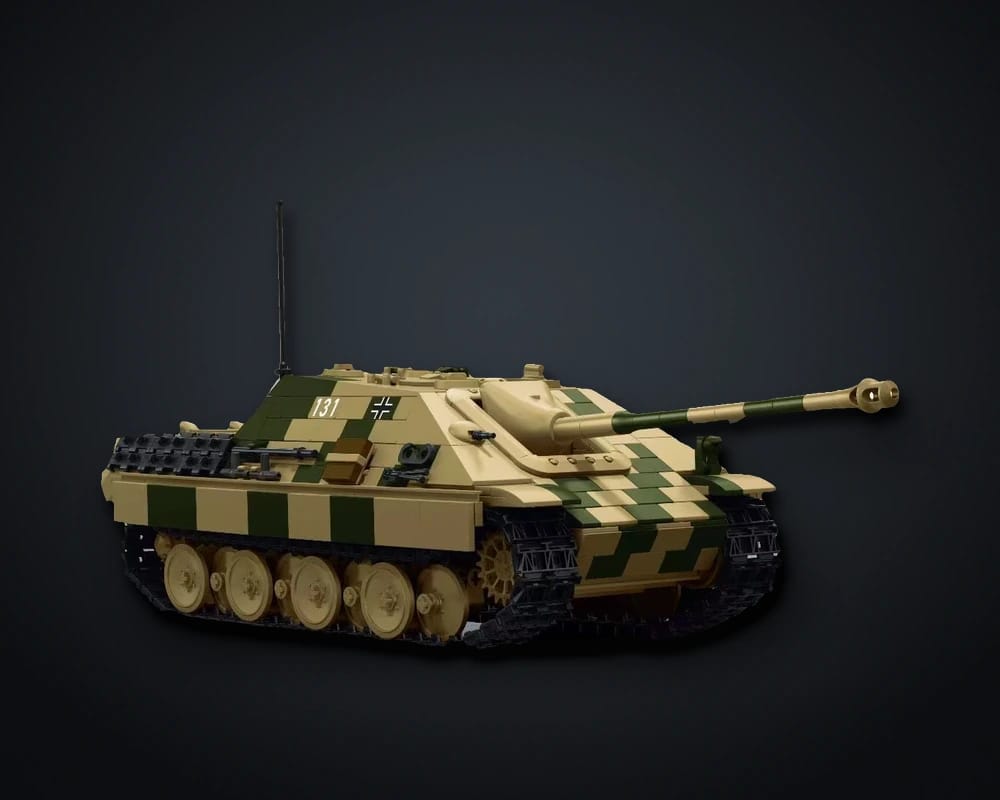
| Panther | Panther | Jagdpanther | Turret replaced by a low casemate and a bigger 88 mm gun |
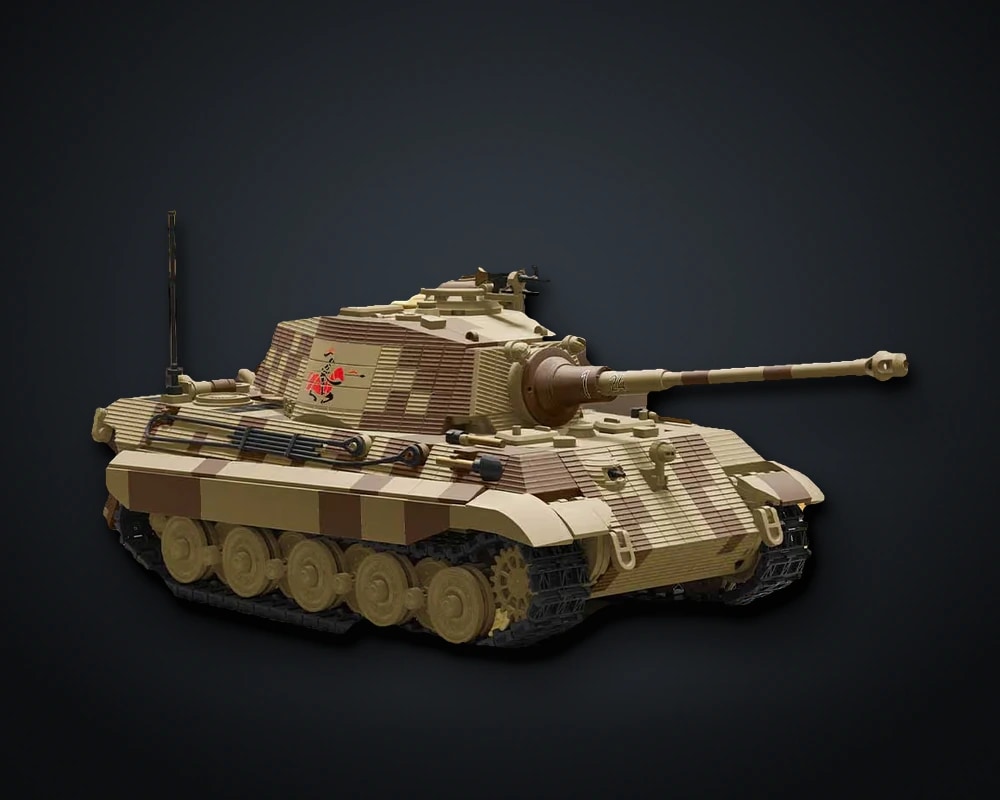
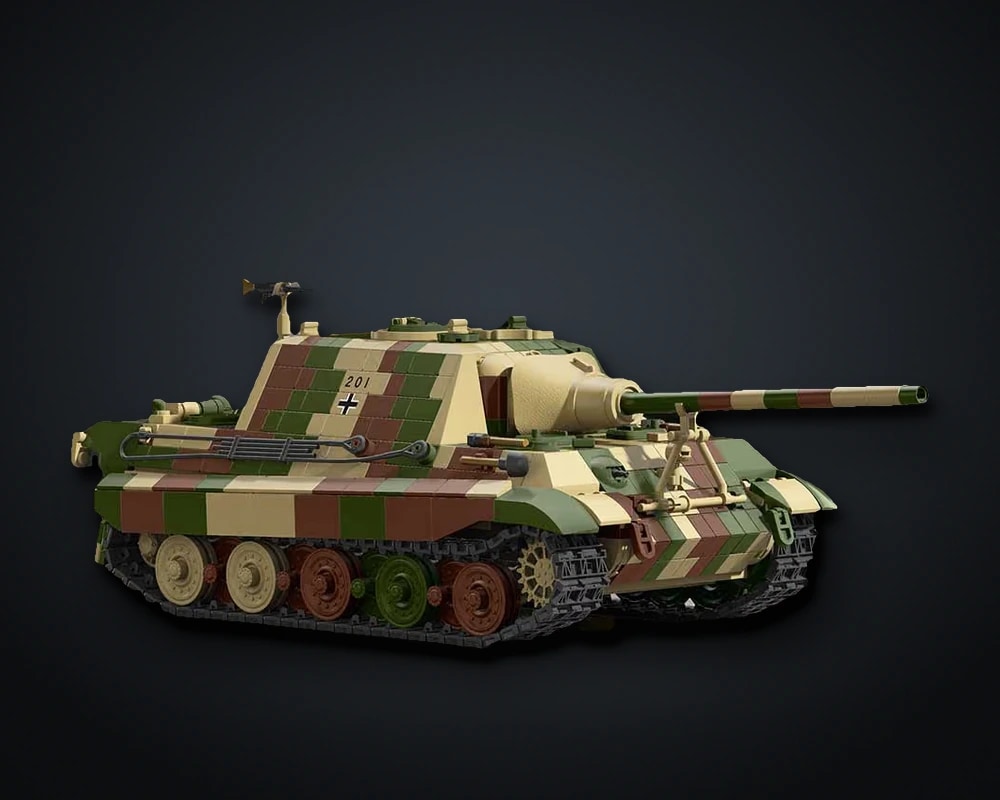
| Tiger II | Tiger II | Jagdtiger | Lengthened chassis carrying a 128 mm gun |
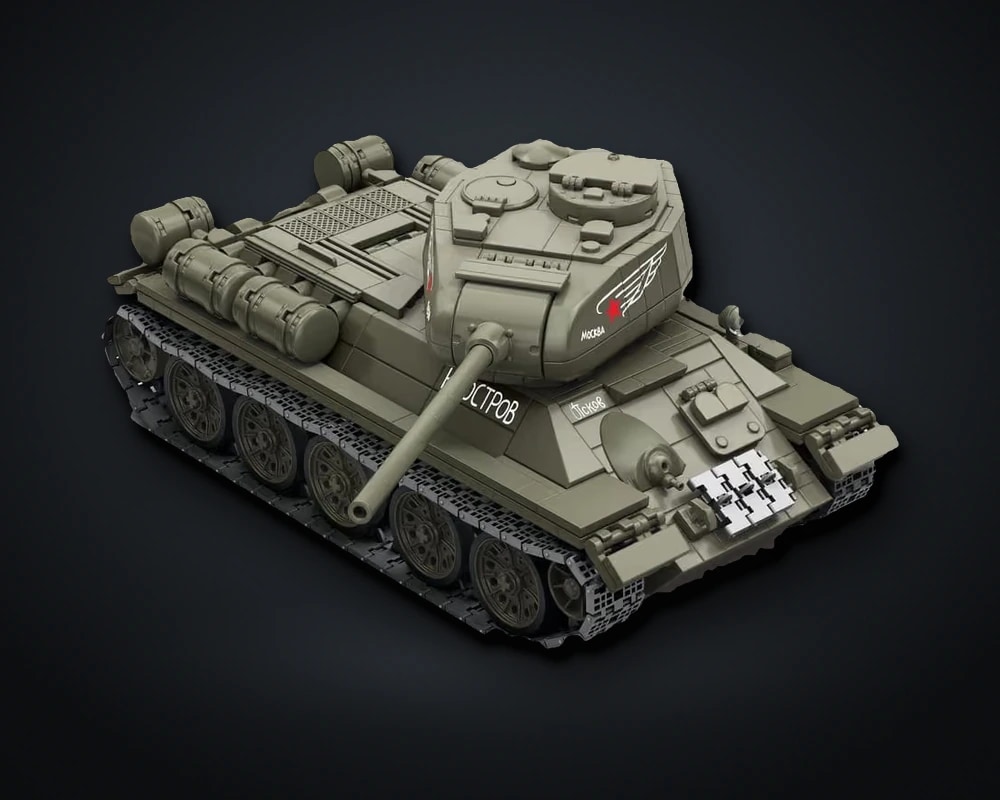
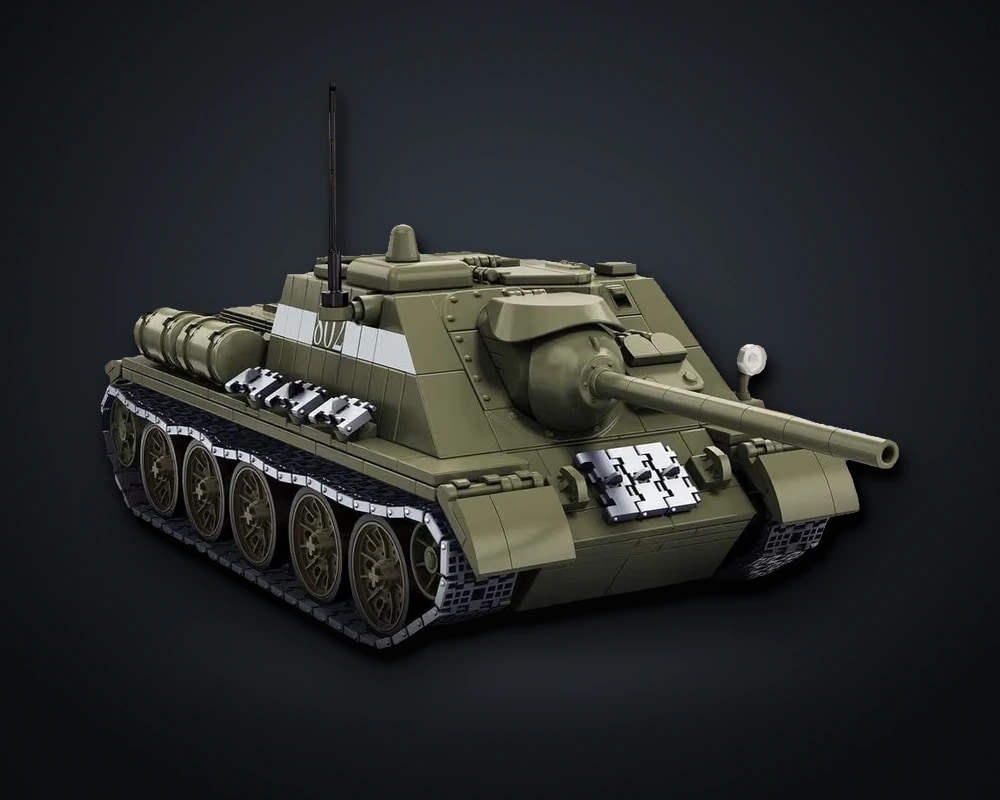
| T-34 | T-34/85 | SU-85 | Same 85 mm calibre, first in a hull mount, then in a turret |
| IS | IS-2 / IS-3 | ISU-152 | Heavy chassis used for a 152 mm assault gun |
Our article on casemates versus turrets explains why these conversions were so common and what they gained and lost.
Approach 2: historical opponents
Another way to build a collection is to put vehicles that faced each other side by side. This works especially well for the Eastern Front, where the range covers both sides:
- [Panther](set:tk-8002) and [T-34/85](set:tk-8011) — two very different answers to the medium-tank question. See our comparison.
- [Tiger I](set:tk-8001) and [IS-2](set:tk-8007) — the German heavy tank and the Soviet tank designed with enemies like it in mind.
- [Tiger II](set:tk-8004) and [IS-3](set:tk-8008) — not opponents in battle (the IS-3 arrived just as the war in Europe ended), but the final word in heavy-tank design on each side, showing how far armour and sloping had developed by 1945.
- [Jagdpanther](set:tk-8005) and [SU-85](set:tk-8010) — German and Soviet tank destroyers built on medium-tank chassis.
Approach 3: a timeline on one shelf
Arranged in order of their introduction, the sets show how quickly tanks grew in size, armour and firepower during six years of war. Left to right, a timeline could look like this:
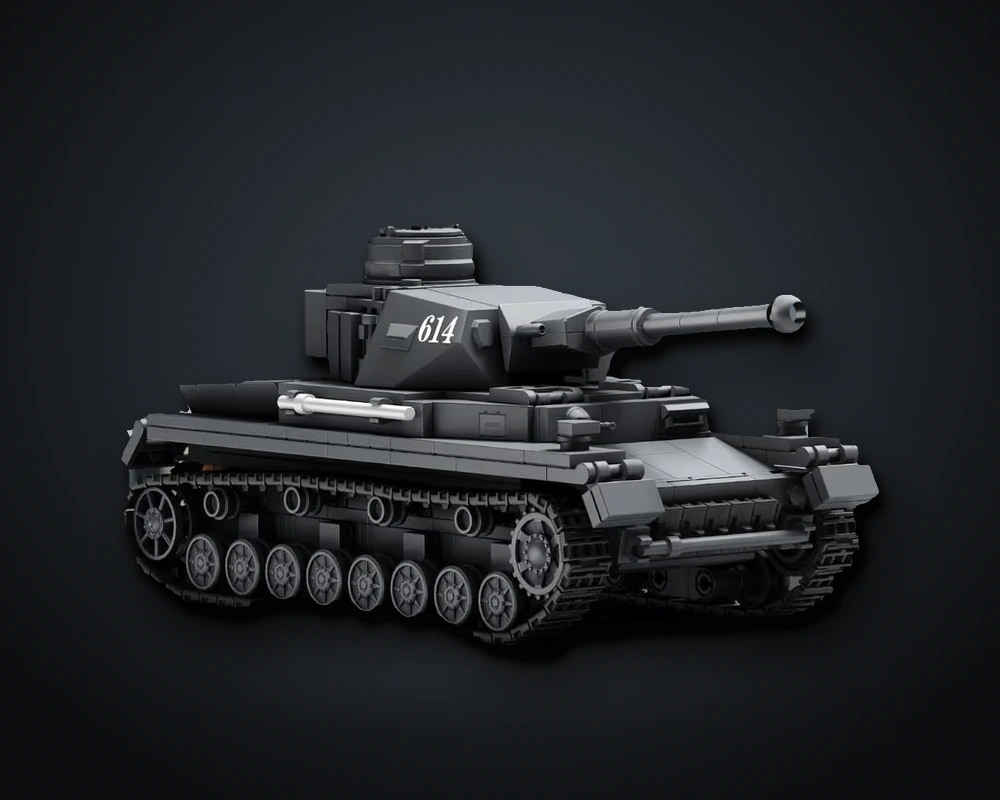
- Panzer III and Panzer IV — designed in the 1930s, the backbone of the early campaigns.
- Tiger I — first in action in 1942.
- Panther and SU-85 — both appeared in 1943.
- T-34/85, IS-2, ISU-152, Jagdpanther and Tiger II — the vehicles of 1944.
- Jagdtiger and IS-3 — the very end of the war.
The size difference alone is striking: the 22 cm Panzer III next to the 38 cm Tiger II makes the escalation of the armour race obvious without a single label.
Think about colours and markings
TK Two sets use several finishes: the dark grey of the Panzer IV, the plain sand of the Panzer III, multi-tone camouflage on the late-war German vehicles and green on the Soviet ones. A shelf looks calmer if similar schemes are grouped, or more dynamic if you alternate them. Our guide to markings and camouflage explains what the colours and numbers meant historically.
Plan the space before the next purchase
- Most 8000-series models need 30–38 cm of length and around 13–15 cm of depth, plus room for the gun barrel.
- Tank destroyers with long guns (Jagdpanther, Jagdtiger) look best at an angle, which takes more depth.
- Leave a small gap between models so that each silhouette reads clearly; touching hulls make a shelf look crowded.